Polycystic Ovary Syndrome (PCOS)
Get the Right Help Early

"*" indicates required fields
"*" indicates required fields
Get the Right Help Early
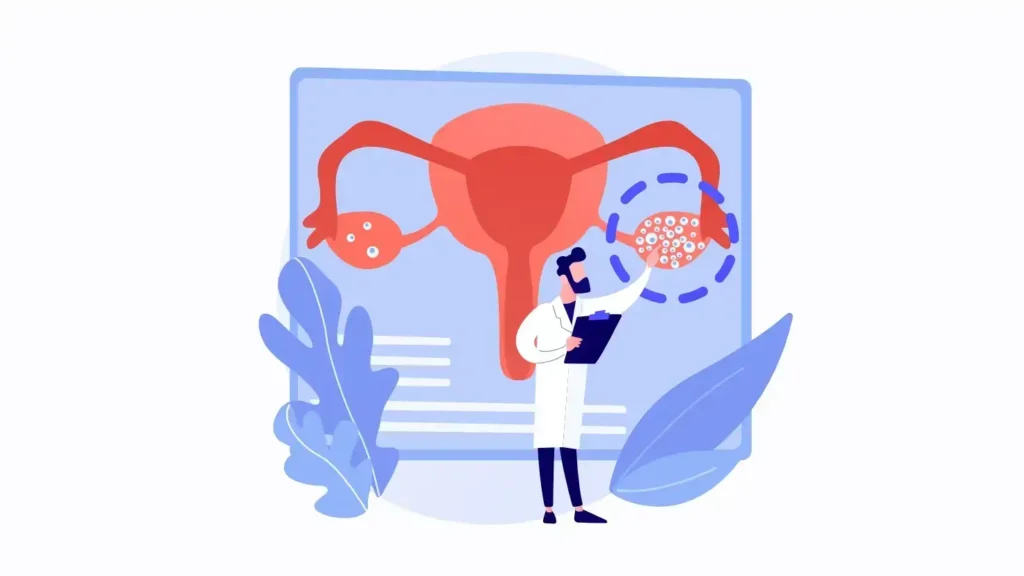
Polycystic Ovary Syndrome (PCOS) is a common hormonal condition that affects approximately 1 in 10 women of reproductive age and can impact menstrual cycles, fertility, and overall health. It occurs when there is an imbalance in reproductive hormones, particularly elevated levels of androgens (male hormones), which can interfere with normal ovulation.
In women with PCOS, several physiological changes take place.
Hormonal imbalance can disrupt the regular development and release of eggs from the ovaries, therefore leading to irregular or absent ovulation.
Women with PCOS often have high levels of androgens resulting in many of the symptoms of PCOS.
The ovaries may also develop multiple small follicles (typically measuring 2-9mm in diameter) that do not mature properly, contributing to difficulties with ovulation.
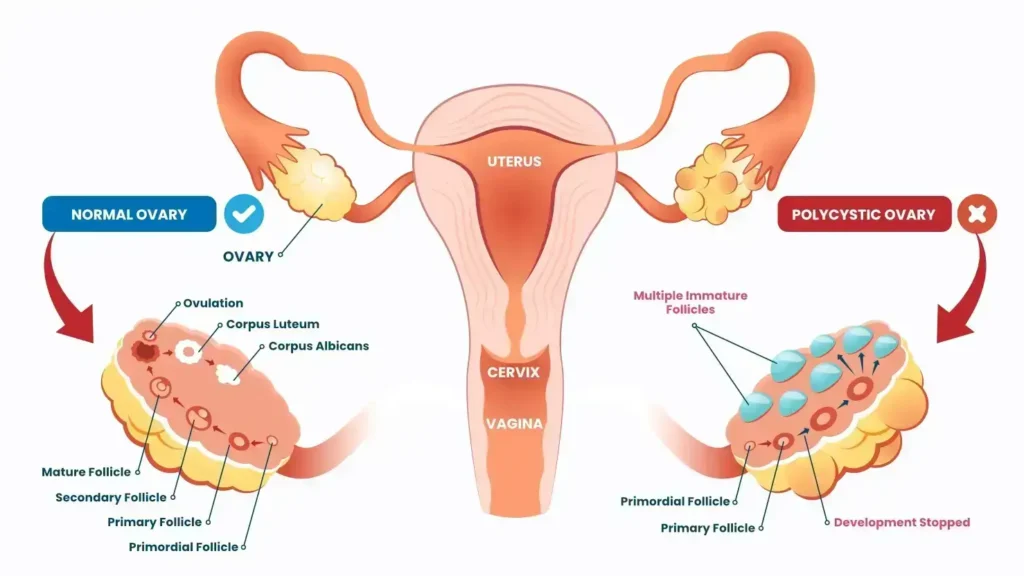
The exact cause of PCOS is not fully understood, but it is believed to involve a combination of genetic and environmental factors. PCOS often runs in families, suggesting a hereditary component.
Many women with PCOS experience insulin resistance, where the body does not respond effectively to insulin. This results in higher insulin levels, which can further stimulate excess androgen production and worsen hormonal imbalance. Obesity can also increase insulin levels and make PCOS symptoms worse.
PCOS may be diagnosed if any two of the three following criteria are present:
Symptoms can vary from person to person, but it may include :
Women with PCOS have an increased risk of developing other health conditions including :
PCOS is one of the most common causes of infertility, mainly due to irregular ovulation. Irregular menstrual cycles can make it challenging to identify the fertile window, which reduces the chances of timed intercourse without monitoring or support. However, with proper tracking and guidance, it is still possible for women with PCOS to conceive.
There is no cure for PCOS, but treatments can improve quality of life, assist with fertility, and help prevent long-term cardiovascular events. Treatment for PCOS depends on individual symptoms and reproductive goals.
Together, these changes may help restore a more regular menstrual cycle and ovulation in some women.
If you have irregular periods, have been trying to conceive without success, or suspect you may have PCOS, it may be time to seek professional guidance. Speak to a fertility specialist to better understand your condition and explore the most suitable treatment options for your fertility journey. Early intervention can make a meaningful difference in improving your chances of conception.
Yes, many women with PCOS can still conceive naturally. Improving lifestyle factors such as maintaining a healthy weight, eating a balanced diet, and exercising regularly can help regulate hormones and support more regular ovulation.
Tracking ovulation and timing intercourse during the fertile window can also improve the chances of conception.
There is no cure for PCOS, it is a long-term condition that requires ongoing management.
However, PCOS can be effectively controlled through lifestyle changes, weight management, and medical treatment when needed. With proper long-term care, symptoms can be improved, and fertility outcomes can be optimised.
No, many women with PCOS can still conceive without IVF.
Treatment is usually stepwise. Lifestyle changes can help improve ovulation, followed by ovulation induction if needed. IVF is only considered if simpler treatments are not successful or if there are additional factors affecting fertility.
Yes, PCOS can make weight loss more challenging due to insulin resistance and hormonal imbalance, which can affect appetite regulation and fat storage.
However, weight loss is still achievable with the right approach. Speak to our fertility specialist to see how we can support you with a personalised plan.
You should consider seeing a fertility specialist if you have PCOS and have been trying to conceive for 6-12 months without success, or sooner if your periods are very irregular or absent.
You do not need to wait for 12 months if you already have a known condition that may affect ovulation. If you are unsure where to start, speak to our team to explore the right steps for your fertility journey.
For women with PCOS, fertility treatment often begins with ovulation induction medications to help regulate ovulation. Depending on your condition, your fertility specialist may also recommend timed intercourse or IUI before considering IVF. Speak to our fertility specialist to explore the most suitable treatment based on your condition and fertility goals.
Yes, PCOS can affect hormone balance and cause irregular or absent ovulation, which makes it more difficult to conceive naturally.
With early diagnosis and the right fertility treatment, many women with PCOS are able to improve their chances of pregnancy.
Yes, PCOS is associated with a higher risk of miscarriage, especially if it comes with insulin resistance, obesity, poorly controlled blood sugar, or hormone imbalance.
However, with proper management and specialist support, many women with PCOS go on to have healthy pregnancies.